First Rung designs and delivers training, mentoring and progression support for people, communities and organisations. Every programme begins with a real need and ends with a practical way to use what has been learned.
Life skills and personal development
Confidence grows through doing. Our life skills programmes create a safe, structured space to practice communication, decision making, self-advocacy, everyday planning and participation. Typical areas include communication, personal and interpersonal skills, confidence, goal setting, self-management and preparation for new situations.
Digital skills and inclusion
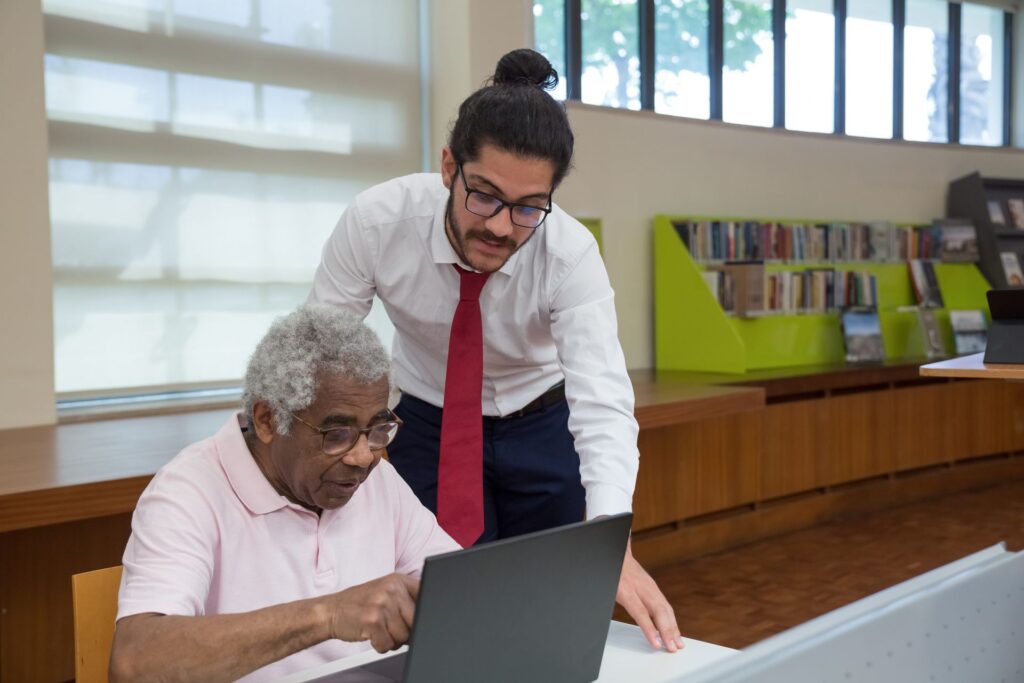
Digital access affects daily life, work, health and connection. We help people understand and use digital tools through clear demonstrations, supported practice and relevant tasks.
Our team coordinated national Digital Skills for Citizens delivery that reached more than 18,000 people, including older adults, farmers, small business owners, jobseekers, disabled people and communities experiencing exclusion.
Work readiness and employment progression
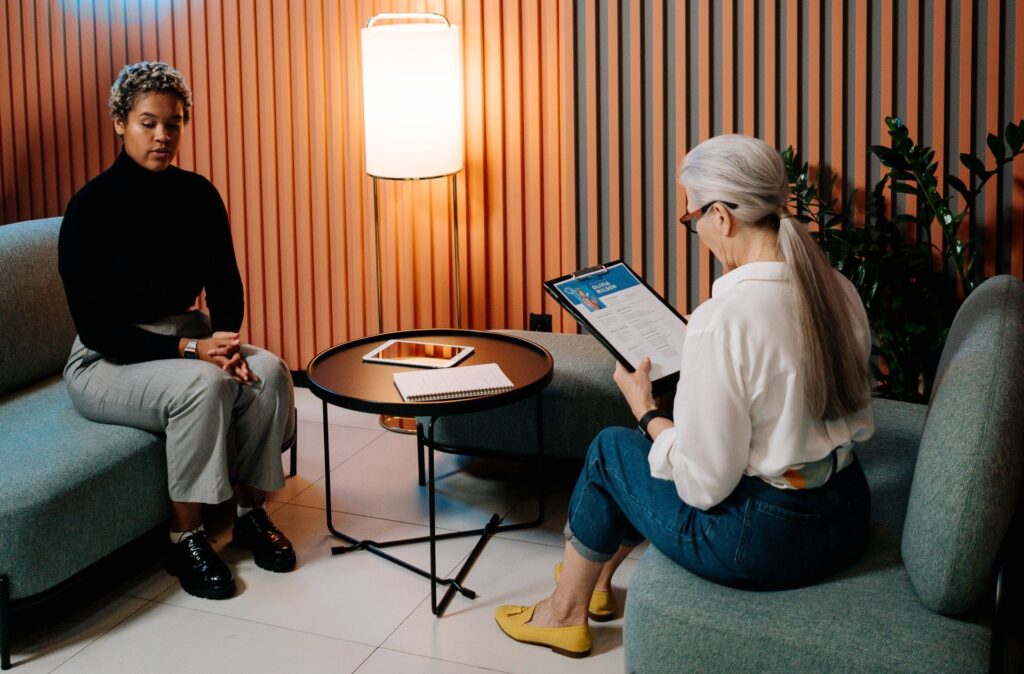
We help people understand what a workplace expects and show what they can do. Support can include CV and cover letter preparation, interview practice, work experience preparation, workplace communication, task sequencing and clear competence expectations.
We also work with employers and supervisors to make instructions, feedback and assessment fair, predictable and useful.
Mentoring
Mentoring gives a person time to think, make decisions and keep moving. We provide individual and group mentoring for education, employment, enterprise ideas, leadership and community participation.
Vocational and specialist training
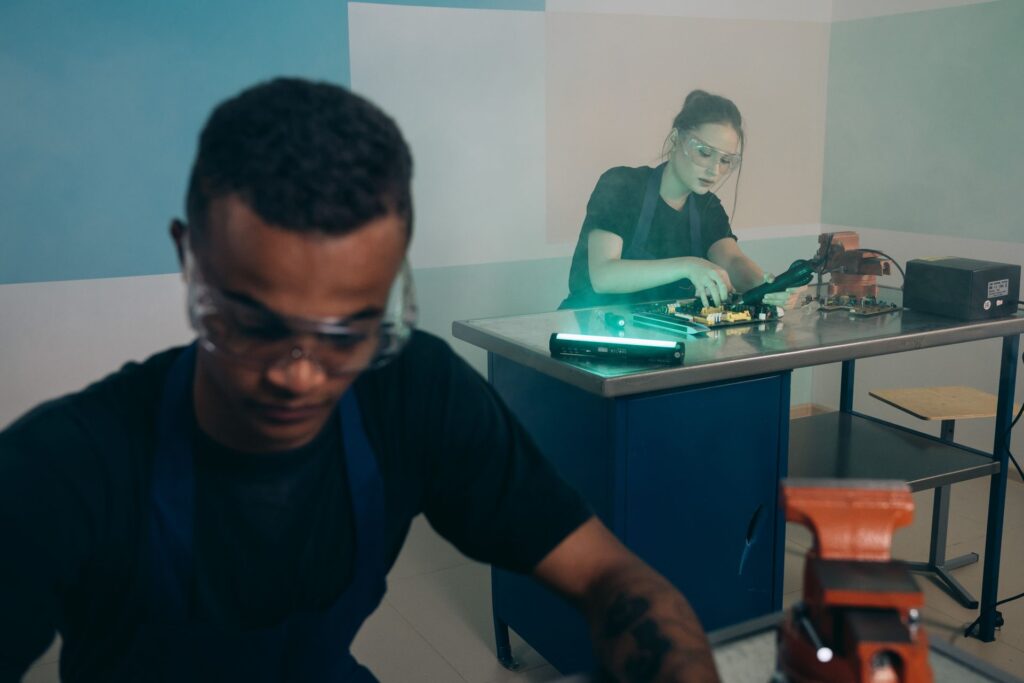
FRLS designs and delivers accredited, non accredited, short and specialist training. Programmes can combine practical teaching, work related tasks, mentoring and progression support, with content adapted to the learners and setting.
Programme design, delivery and evaluation
We work with public bodies, community organisations, education providers, employers and European partners to turn an identified need into a programme people can use. This can include needs analysis, co design, curriculum development, facilitator guidance, accessible materials, delivery, learner feedback and evaluation.
How We Work
1Listen:
Understand the people, the setting and the outcome that matters.
2Shape:
Design clear content, supports and ways to participate.
3Learn:
Deliver in a welcoming environment with time for questions.
4Practice:
Connect learning to tasks, decisions and real settings.
5Progress:
Agree the useful next step and the support needed to take it.
NEED SOMETHING TAILORED?
Tell us who the programme is for, what needs to change and the setting in which learning will be used. We can shape a practical response with you.
We use cookies to ensure that we give you the best experience on our website. If you continue to use this site we will assume that you are happy with it.